
Bound Bodywork

Bound Bodywork / Shibari Healing
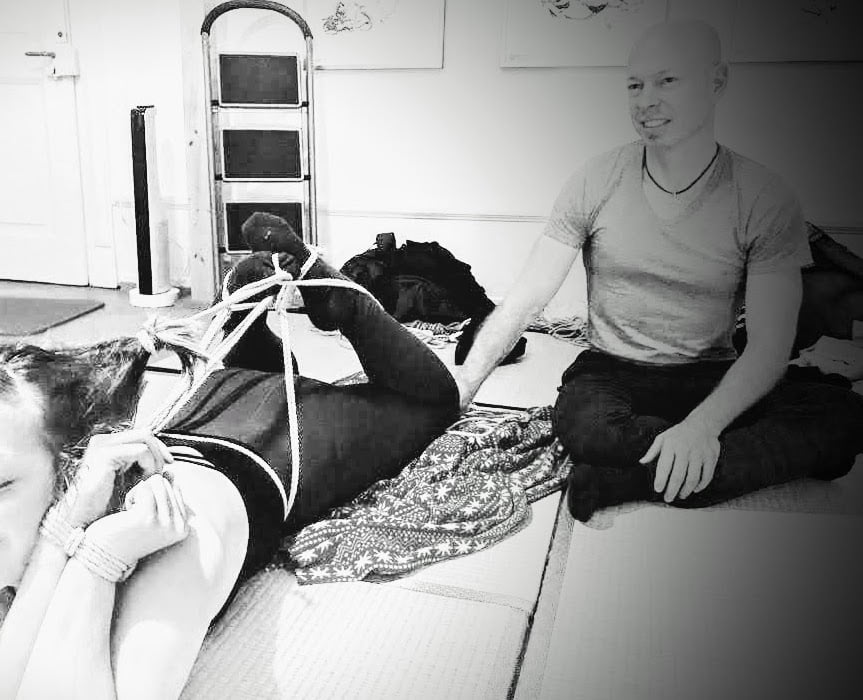
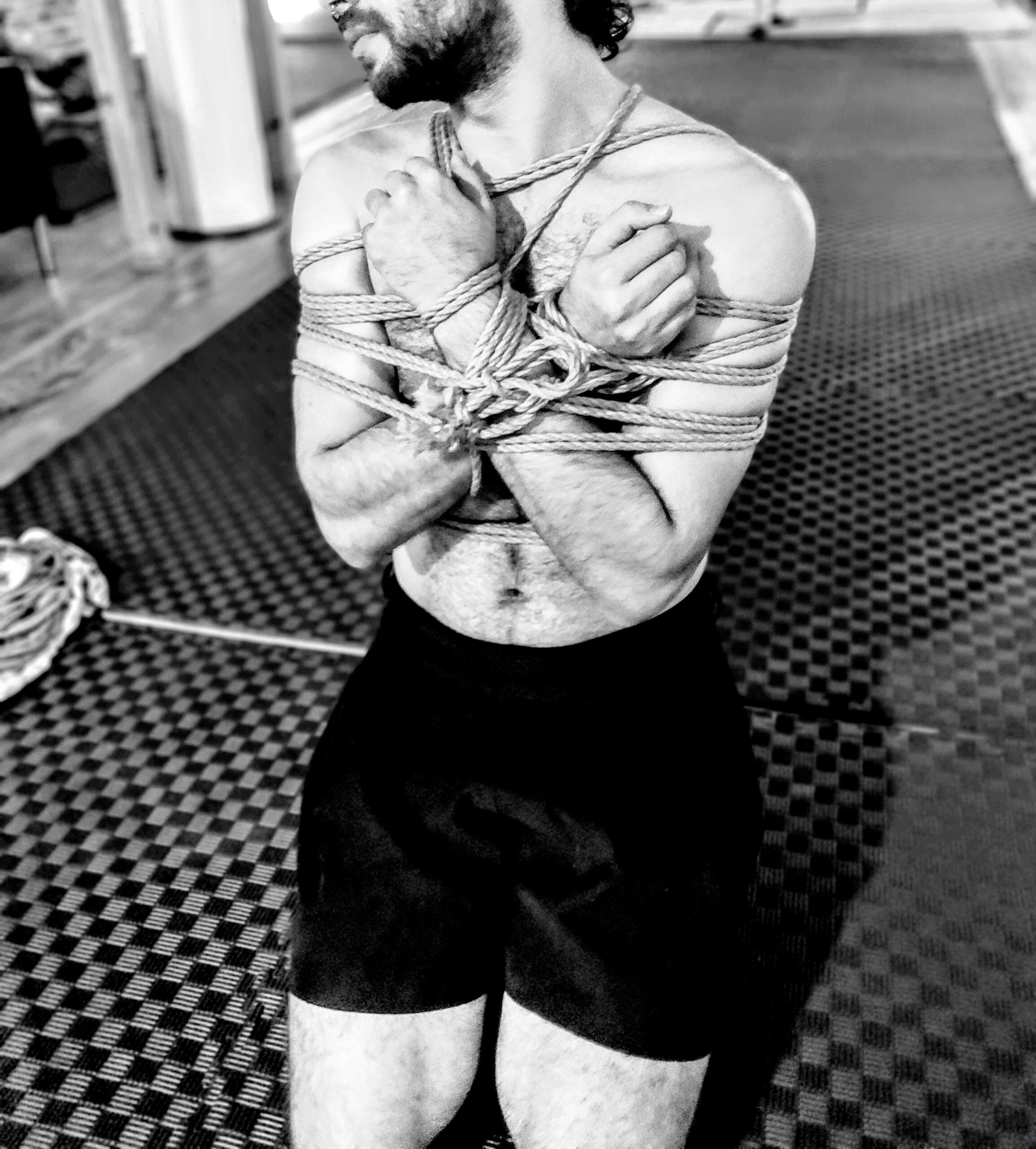
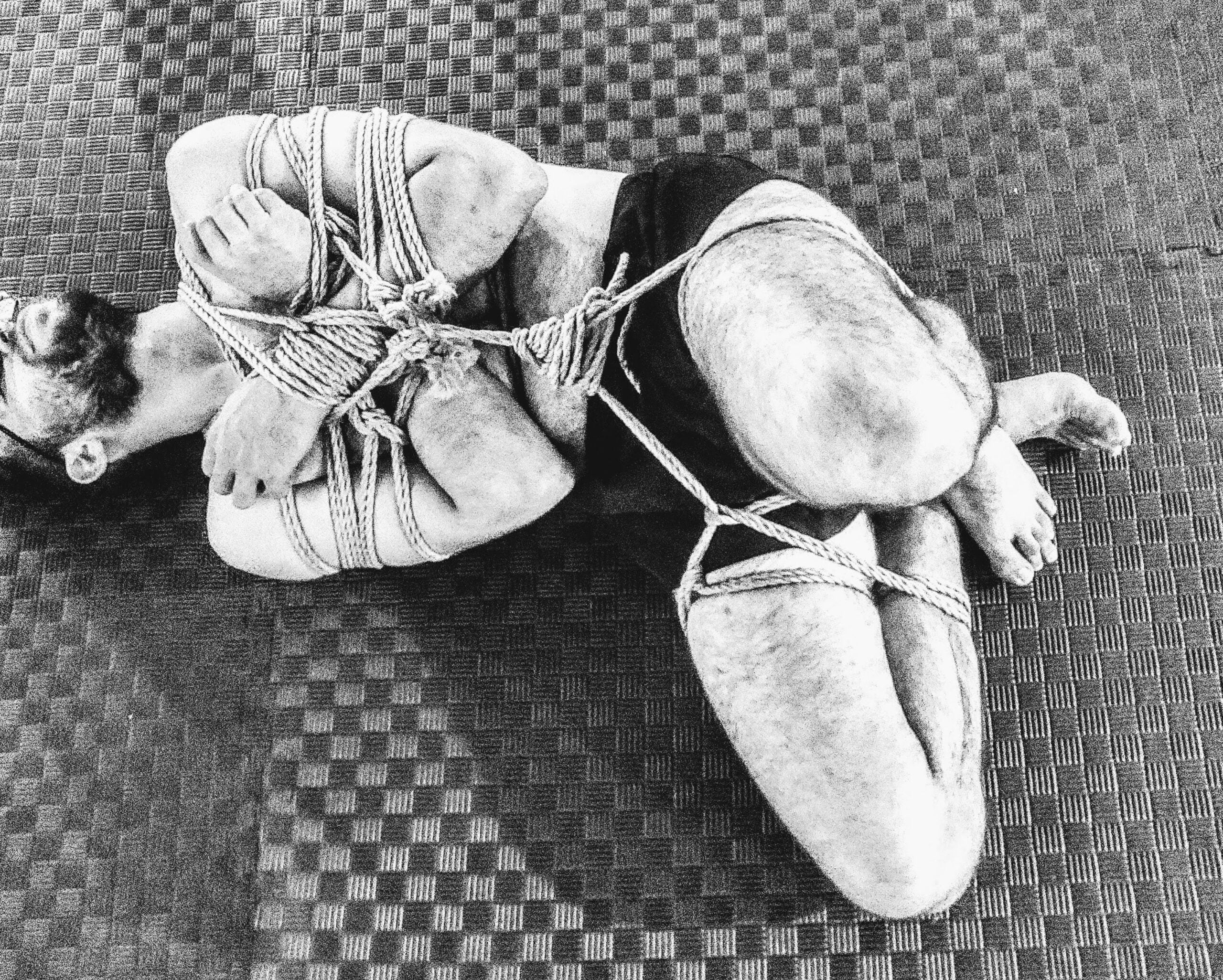
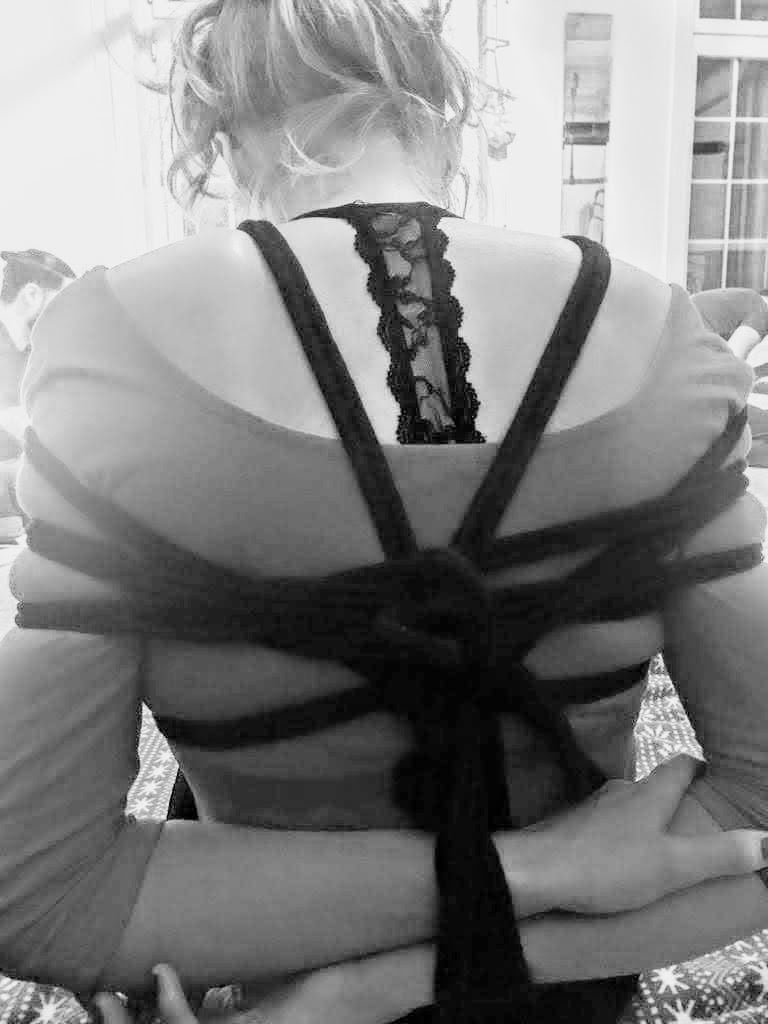
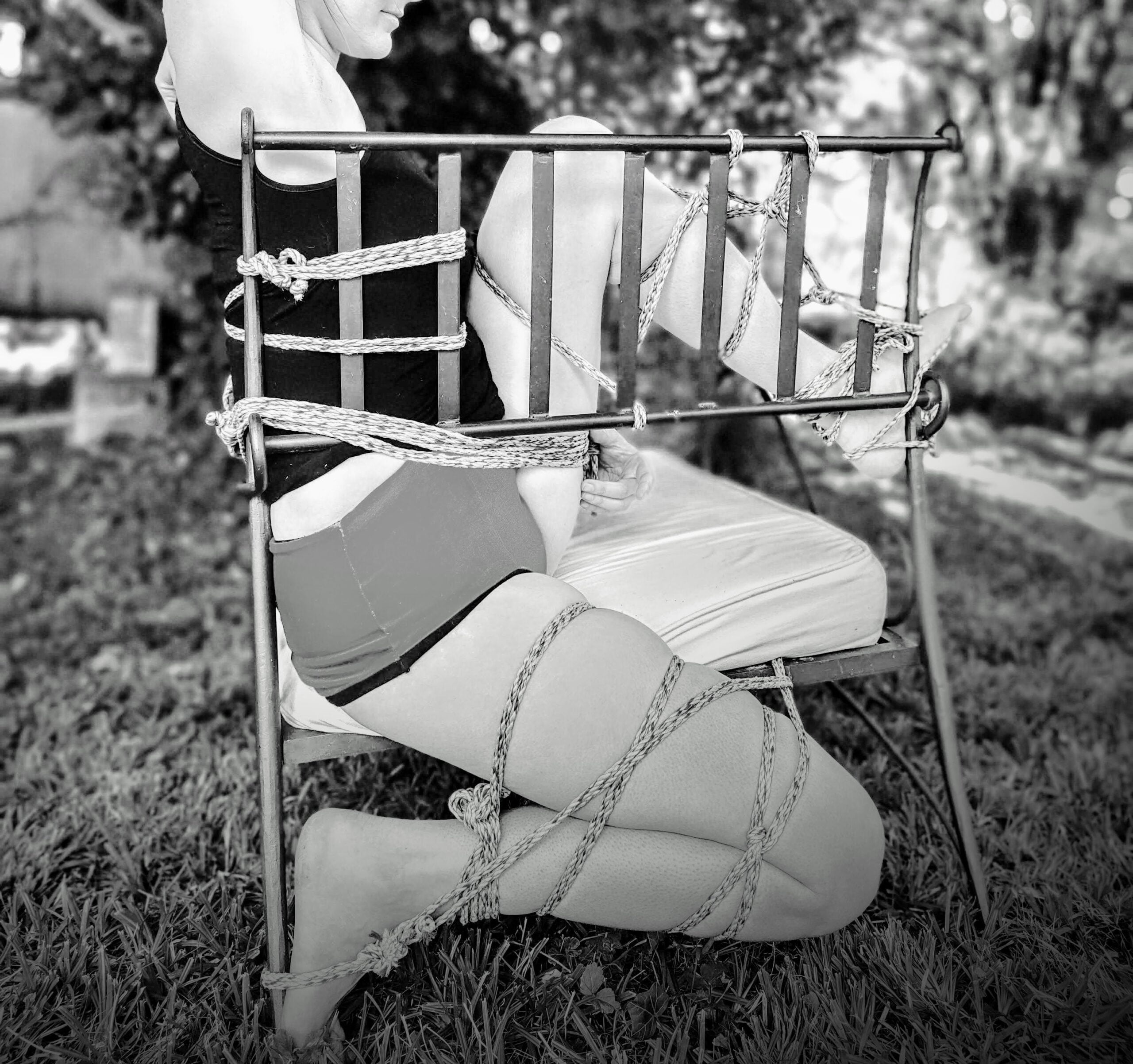
A Shibari bodywork session can be an intense journey into empowered surrender. Through rope, presence, breath, and trust, it creates a physical, psychological, and emotional experience of vulnerability. When met with care and consent, this vulnerability can open the door to deeper self-awareness, release, and connection with what is true within.
In this work, ropes are used not only as physical tools, but as a way to support stillness, presence, and meditative states. The experience may help participants connect with surrender, inner strength, emotional awareness, and a sense of consciousness beyond the usual limits of the body and mind.
For some, Shibari bodywork can awaken the inner warrior. It may create space to release emotional or energetic blocks, outdated belief patterns, fear, anger, rage, guilt, shame, and self-limiting judgements. The invitation is not to escape the body, but to enter it more fully, with trust, awareness, and courage.

Somatic Experience
The meditative experience within Shibari is deeply individual. Some people describe feelings of euphoria, groundedness, being held, emotional release, or a sense of inner spaciousness. When we allow ourselves to trust and surrender into an experience beyond our usual patterns of control, something profound can happen.
As human beings, many of us find it difficult to truly let go. We often carry stress, tension, fear, and unresolved experiences in the body. Some of these patterns are conscious, while others live beneath the surface. When the body is introduced to something new, it may respond in unexpected ways. This can also happen in rope.
Shibari can offer a powerful container for exploring stuck patterns. In moments of fear or past trauma, the body often contracts, protects, or moves into fight, flight, freeze, or fawn. Within a safe, consensual, and well-held rope practice, there may be an opportunity to meet those responses differently and create new experiences of trust, safety, and surrender.
Many people experience the release of stored fear, sadness, anxiety, grief, or tension during a session. For this reason, trust is essential. The person being tied must feel safe with the person tying them, and the session must be held with clear boundaries, communication, consent, and care.
The goal is not to force surrender. The goal is to create the conditions where surrender becomes possible.
Dig Deeper
The Sacred Art of Shibari Healing
Shibari has its roots in Japan and developed from Hojo-jutsu, a method of restraining captives. Over time, it evolved into Kinbaku, an erotic and aesthetic rope practice. Kinbaku-bi is often translated as “the beauty of tight binding.”
At the heart of Shibari is the creation of patterns that contrast with and complement the natural curves of the body. Part of its beauty lies in juxtaposition: bare skin against rough rope, strength against exposure, stillness against intensity, calm against the edge of risk.
Over time, some practitioners began to explore rope not only as an erotic or artistic form, but also as a connective, meditative, and potentially healing practice. In this context, rope can become a way of opening the body, deepening trust, and making space for emotional and energetic release.
read more...
When approached with clear intention, skill, consent, and care, Shibari may support healing on the level of body, mind, emotion, and spirit. Steven James, a respected Shibari practitioner, speaks about the healing potential of connective Kinbaku/Shibari and the importance of presence, respect, and heart-centered intention in the work.
“Remember the emphasis on the heart. The mind lives in doubt and the heart lives in trust. When you trust, suddenly you become centered.”
— Osho
In this sense, Shibari can also become a practice of learning to trust again. Where there has been mistrust, resistance, fear, or emotional guarding, conscious rope work may offer a symbolic and embodied way to explore surrender, safety, and reconnection.
Bodhi Zapha, an international Shibari practitioner, describes Shibari Healing as an intense journey into empowered surrender, vulnerability, and a return to original innocence.
One possible focus of this work is the healing of the wounded Feminine within. This means allowing the receptive, emotional, intuitive part of the self to feel safe enough to express its full range. When witnessed by the inner Masculine, the steady, present, conscious part of the self, these two inner poles can begin to reunite in harmony, respect, and appreciation.
In this way, Shibari can become more than rope. It can become a ritual of trust, surrender, presence, and integration.

What is the cost of a session?
90 – 120 min CHF. 155.- (cash or twint)
Additional time or special requests can be accommodated for an additional fee.
If you have a low income, please feel free to contact me to discuss pricing options that may be more affordable for you.
Do I need any experience to be tied up?
No, you don’t need any previous experience to be tied up. However, as a beginner, it’s important to learn how your body feels in rope and to avoid starting with advanced ties that could be dangerous. I am happy to guide you through the process and provide instructions on how to safely enjoy rope bondage.
Who do you tie?
I provide shibari bodywork sessions for individuals of any gender and body type who are over the age of 18. If you have any medical conditions, please let me know and we can discuss whether rope bondage is safe and suitable for you.
Is shibari/rope bondage safe?
Shibari is considered to be “edge play” because it involves a level of risk that should be carefully managed and minimized. Even with all the precautions that I take, there is always a potential for risks, so it is important for you to be aware of them and to share in the responsibility for managing them. The key to minimizing risks is good communication, so please be open and honest with me about your experience, your comfort level, and any concerns that you may have. If you would like to learn more about the risks associated with rope bondage and how to manage them, I recommend the following resources:
- Shibari Study – General Rope Safety
- Clover Brooke – Rope Bottoming Guide
- Anatomie Studio – Nerve Damage
What should I wear?
You should wear whatever makes you feel comfortable and confident during your shibari bodywork session. Some people prefer to wear a dress, yoga outfit, underwear, depending on their personal preferences and the specific intentions for their session. I want you to feel comfortable and relaxed during our session, so please don’t hesitate to let me know if you have any questions or requests about what to wear.
How do I prepare?
Most important think about your intention for the session. Avoid having heavy food up to an hour before. Avoid using perfume or other strong smells.
I am not flexible or have an injury. Can you still tie me up?
Yes, definitely. A rope session can be tailored to suit any body type, including individuals who are not very flexible or who have injuries. We will discuss what techniques and positions will work best for your specific body during our session, and we will make any necessary adjustments to ensure your comfort and safety. You don’t need to be flexible or have a perfect body to enjoy rope bondage, so please don’t hesitate to contact me to schedule a session.
I have a medical condition. Can you still tie me?
If you have a medical condition, it is best for us to discuss it before planning a session, to ensure that it is safe and appropriate for you to be tied up. In some cases, I may ask you to consult with your healthcare provider to determine whether rope bondage is safe for you. For example, if you are taking anticoagulant medication, I will likely not provide rope bondage services for you, as this medication can increase the risk of bruises or bleeding.
What happens in a typical first session?
First third: sharing tea and talking about the intention of the session – focus is on your background, physical and emotional limits and need.
Middle third: being tied based on the intention of the session – with one or more rope, on the soft floor.
Final third: aftercare/grounding in the body and mind – can be in meditation, resting alone or in physical contact, drinking more tea or talking about the experience.
What are some common intentions for shibari bodywork sessions?
There are many different intentions that people may have when engaging in a rope session. Some common intentions include creating a sensual, relaxing, playful, challenging, or transformative experience. The specific intention or intentions that you have for your shibari bodywork session will depend on your personal preferences and goals, and we can discuss them in more detail during our consultation. I am here to support you in achieving your desired outcome, so please don’t hesitate to share your intentions with me and we can work together to make your session as fulfilling and enjoyable as possible.
What is the intention of the session?
It can be many many things, here is a list of examples.
Learning to trust and surrender in a intimate and vulnerable situation
Discharging trauma
Letting go of control and being cared for
Facing fears of losing mobility and being constricted
Exploring a shadow or fantasy
A deep meditation
Facing intense sensations physical and emotionally
Working with a specific body part like hands or throat
Where do you host the session?
Shibari bodywork sessions are typically hosted in Schaffhausen, Webergasse, a few minute walk from the train station. Other locations or your home can be negotiated.
Is it psychotherapy?
No – not in the traditional sense. It could be described as a somatic exposure therapy which is common when treating post traumatic stress disorder.
Is it sexual?
Sometimes but usually no. It is sensual, loving and goes much deeper than “just sex”. Developing a healthy relationship to power and surrender in life in general helps in the relationship to sexuality too.
Is it feminism?
Yes, being temporally and consensually bound is greatly empowering. So is taking ownership ones own sexual expression. Trusting, letting go of control and showing vulnerability are acts of strength. Independent of gender.
Is it BDSM?
Yes and no. Bondage is B in BDSM. But BDSM is usually not practiced for therapeutic reasons.
Is it painful?
Depends on the intention. The intensity can be anything from soft to extreme. Most importantly the amount of pain is decided by the client.
Is it tantric?
Yes – as in using consciousness, polarity, breath and intention. Many clients describe it as working with energy blockages, dearmoring and kundalini awakening.
Is it shamanic?
Yes – as in the strong focus on ritual and guidance. A big inspiration has been Peter A. Levine’s book Waking the Tiger: Healing Trauma.
Shibari experiences
Webergasse, Schaffhausen
David
We are free to be bound and bound to be free!
masakali
Aspiring to fly high through peace and liberation
www.masakali.ch